Designing Milo to Help Users Quit Smoking
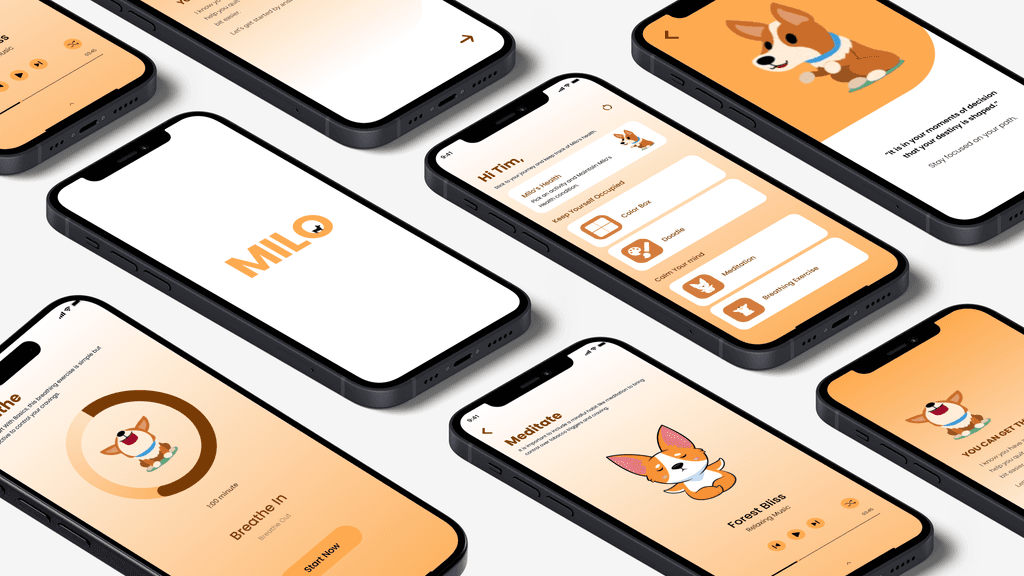
Milo: A Smoking Cessation App That Puts Users First
Smoking cessation is a deeply personal and often difficult challenge. Tobacco addiction doesn’t just involve physical dependence; it’s tied to habits, emotions, triggers, and routines that can be hard to break. When I set out to design Milo, a smoking cessation app, my goal was to create a digital product that doesn’t just look nice; it genuinely supports users on their journey toward quitting.
Understanding the Challenge
Quitting smoking isn’t a one‑size‑fits‑all experience. Every person’s reasons for smoking and for wanting to quit are different. With this in mind, my first step in the Milo project was to deeply understand the problem space:
What are the biggest barriers smokers face when trying to quit?
How do habits form around smoking throughout the day?
What emotional and behavioral triggers play a role?
In designing Milo, I aimed to bridge the gap between user needs for clarity, motivation, and encouragement and the design need for simplicity, accessibility, and evidence‑based features.
Research and Strategy
Although the Behance project itself focuses on the design deliverables, it was grounded in a comprehensive research mindset:
I looked at market trends in cessation apps to understand what exists and what is missing.
I explored behavioral science principles that support habit change.
I evaluated usability patterns from existing cessation tools to identify gaps in engagement.
Many smoking cessation studies show that apps that help users track progress, provide motivation, and manage cravings tend to have better engagement and outcomes, especially when features like progress tracking, health insights, and reminders are included.
Design Goals
The core principles behind Milo’s design were:
1. Empathy and Support
Milo’s interface is designed to feel uplifting rather than punitive. Quitting smoking can be emotionally taxing, so every interaction should feel supportive and motivating, not judgmental.
2. Clarity Over Complexity
Most successful health interventions distill complex processes into simple, manageable steps. Smoking cessation apps that break down goals (like smoke‑free days or coins saved) help users stay motivated in the long run.
3. Behavioral Insight Integration
Rather than just presenting data, the app guides users with behavioral cues, reminders, milestones, and reframed motivational language that encourages reflection and perseverance.
Why This Matters
Mobile health apps are increasingly used to support behavioral change, and in the smoking cessation space, research shows that engaging features like progress tracking, rewards, and personalized feedback make a real difference.
Designing Milo challenged me to think beyond aesthetics. It reminded me that good UX design is not just about making things pretty, it’s about creating meaningful interactions that empower people to change their lives. Whether someone is just thinking about quitting or already well on their journey, Milo aims to meet them where they are.
Final Thoughts
Projects like Milo are powerful because they combine design thinking with an empathetic understanding of users’ real challenges. I’m excited to continue iterating on health tech solutions that make quitting smoking and other difficult habit changes feel more supportive, actionable, and human.
If you’re curious to explore the full UI and case details, check out the project on Behance!
date published
Oct 6, 2023
reading time
5 min